

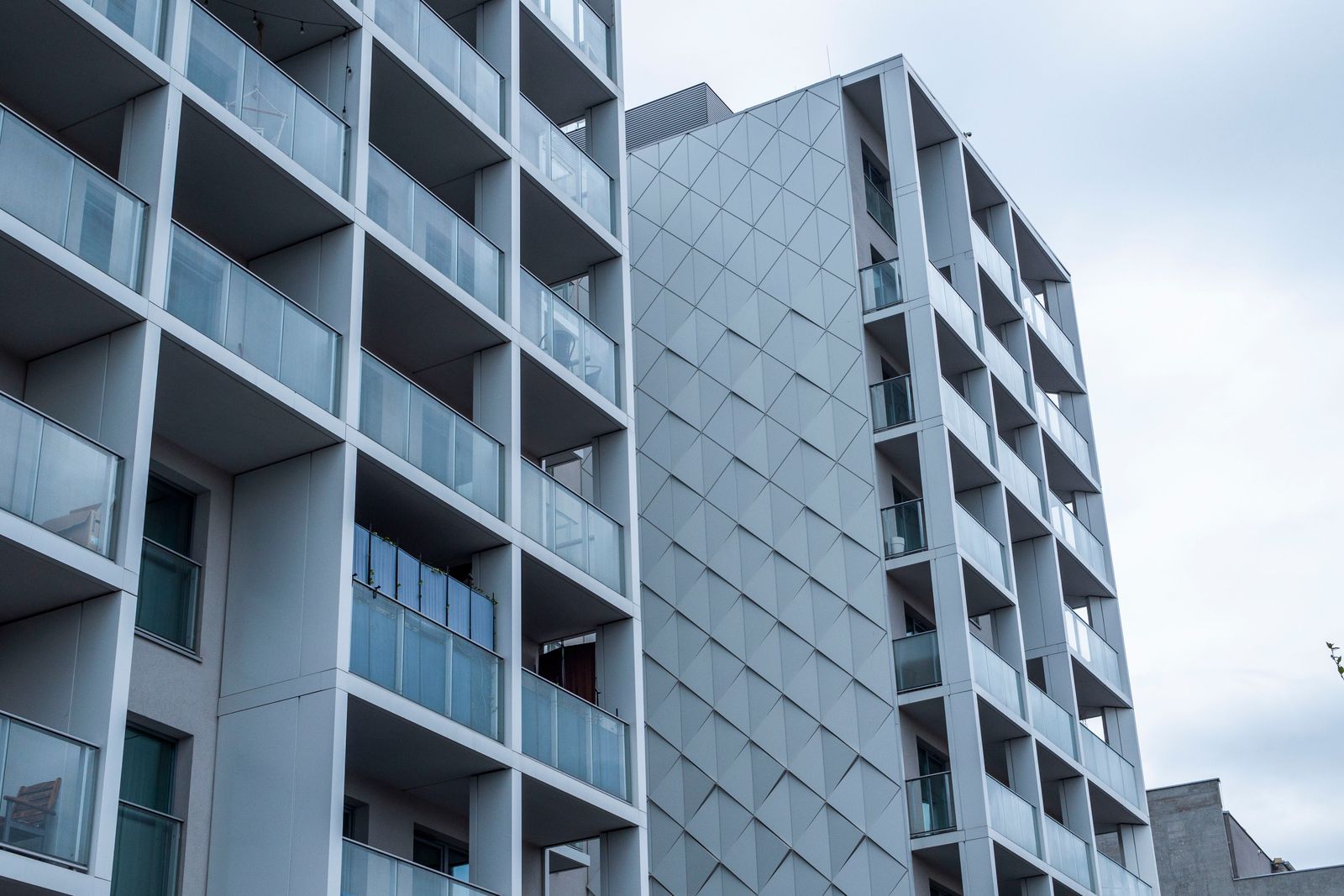
Apartment & Condo Cleaning:
A Surface-by-Surface Guide.
From siding and private patios to breezeways, pool decks, and dumpster pads, every part of a community needs its own approach. Learn what to clean, what to consider, and how to organize the work.
Request a Community Cleaning EstimateGood cleaning begins with understanding the property.
Community cleaning is more than washing a building. It is a coordinated project across different surfaces, shared spaces, and occupied homes.
A single property can contain vinyl siding, painted trim, brick, concrete, pavers, wood, composite decking, and coated pool surrounds. Their cleaning requirements differ. Using the same pressure or product everywhere can create unnecessary problems.
Confirm responsibility before scheduling.
Identify association-maintained areas, owner-maintained spaces, and rental units. Private patios, balconies, and belongings should only be included when authorized and clearly listed in the scope.
What gets cleaned—and what makes each area different?
1. Siding, Trim, Soffits & Fascia
Shaded walls and sheltered corners often collect dirt and organic buildup. Suitable siding can be cleaned with a compatible solution and controlled rinsing. Low-pressure soft washing may be appropriate, depending on the installed material.
Important: Check loose panels, damaged seals, vents, and failing paint first. Avoid forcing water into openings. Oxidation and faded finishes are different from ordinary dirt and may require separate evaluation.
2. Patios & Porches
Patios may be concrete, pavers, stone, or coated surfaces. Porches may also include wood, painted posts, and railings. Identify each material before selecting a cleaning method.
Important: Furniture, grills, planters, and decorations need to be cleared. Paver joints and coatings require care; resanding, sealing, and restoration should be specified separately.
3. Entryways, Steps & Entrance Pads
Entrances collect tracked-in dirt and receive frequent foot traffic. Cleaning may cover the floor, steps, accessible trim, and suitable surrounding surfaces.
Important: Plan around door thresholds, access controls, deliveries, and resident traffic. Work zones and reopening arrangements should be agreed upon before cleaning begins.
4. Sidewalks & Walkways
Concrete walkways can accumulate soil, leaf stains, and organic buildup. Appropriate surface-cleaning equipment can help clean broad, durable areas consistently.
Important: Inspect cracks, weak surfaces, coatings, and drainage. Pressure washing does not repair uneven pavement or remove every embedded stain. Keep pedestrians away from equipment, hoses, and wet work areas.
5. Breezeways & Exterior Stairwells
These spaces combine floors, walls, ceilings, railings, and individual apartment doors. Loose debris and accessible cobwebs should be addressed, followed by surface-specific cleaning.
Important: Limited drainage makes water control especially important. Protect vulnerable openings and electrical fixtures, and coordinate access with management rather than treating the corridor like an open parking lot.
6. Dumpster Pads & Enclosures
Waste collection areas can develop food residue, grease, and accumulated grime. Their cleaning plan should consider the contamination, pad condition, collection schedule, and nearby surfaces.
Important: Arrange access and container movement with management or the waste provider. Plan wash-water handling before cleaning; do not assume contaminated runoff can enter a storm drain. Pad cleaning is not a substitute for waste removal or pest management.
7. Pool Decks & Pool Surrounds
Pool surrounds may contain concrete, pavers, or specialized coatings. Cleaning should follow the surface system’s care instructions and account for furniture, drains, and nearby pool water.
Important: Coordinate closures with the pool operator. Keep cleaning residue and dirty wash water out of the pool. Cleaning does not restore a worn coating or certify a surface as slip-free.
8. Decks, Balconies, Fences & Railings
Wood, composite, vinyl, and metal each require compatible products and techniques. Composite care can vary by brand and product generation, so manufacturer identification matters.
Important: Consider what sits beneath balconies before rinsing. Avoid aggressive treatment of worn wood or failing coatings. Cleaning, staining, sealing, and repairs are separate scopes of work.
9. Clubhouses, Leasing Offices & Entrance Monuments
These highly visible areas may include masonry, siding, signs, painted accents, and awnings. Evaluate finishes and materials individually.
Important: Protect lighting, electrical components, lettering, and landscaping. Awnings and decorative stone may need a different process from the adjacent wall.
10. Gutters, Roofs & Recreation Areas
Gutter debris removal, exterior gutter washing, roof cleaning, and court cleaning can be discussed as separate services. Each has its own access requirements and material considerations.
Important: Roofs and coated sports courts should never automatically receive the same treatment as concrete. Confirm the installed system and follow its maintenance guidance.
Pressure is a tool—not the whole cleaning strategy.
Effective cleaning combines the right product, suitable dwell time, appropriate agitation, and controlled rinsing. More pressure is not always the answer to a stubborn stain.
No single setting works everywhere.
Low pressure alone does not guarantee compatibility. Material condition, nozzle choice, working distance, chemistry, and existing coatings all matter. Test an appropriate area and follow manufacturer guidance.
A clear scope. Coordinated access. Fewer surprises.
Ohio Power Washing works with your property contact to define the project before service. The goal is to make preparation understandable and the work easier to coordinate across an occupied community.
-
Build a useful property overview
Share addresses, building counts, photos, priority areas, and a marked site map if available. Tell us about known damage and access restrictions.
-
Confirm exactly what is included
Review surfaces, exclusions, preparation needs, and price. Specify whether private patios, balconies, window detailing, or specialty stains are included.
-
Plan the sequence together
Discuss building-by-building work, busy entrances, amenity closures, waste collection, and parking. Phasing depends on the property and available schedule.
-
Prepare residents and work areas
Management communicates affected locations and preparation instructions. Confirm water access, unlocked gates, cleared belongings, and vehicle movement.
-
Inspect, clean, and review
Document starting conditions, use appropriate methods, and complete a final walk-through. Discuss remaining stains and maintenance concerns.
Resident preparation: the essentials
- Close windows, exterior doors, and garage doors tightly.
- Keep pets inside and away from active work zones.
- Clear furniture, doormats, planters, and decorations.
- Move vehicles where requested for access or protection.
- Provide approved access to gates and exterior areas.
- Follow temporary closure and alternate-route instructions.
Moving items: Additional charges apply if our crew must move belongings. Heavy, fragile, or high-value items must be moved by the responsible party. Areas beneath or behind items left in place may not be cleaned.
Understand the difference between cleaning and restoration.
Cleaning removes suitable surface contamination. It does not repair cracks, replace missing coatings, reverse etching, or correct drainage defects. Some rust, oil, oxidation, and discoloration may remain.
Our building wash includes a basic window rinse, which may leave water spots. Purified water-fed pole window cleaning should be requested separately. Sealing, staining, and other restoration work also need their own defined scope.
Community cleaning questions
Can we prioritize selected areas?
Yes. Identify the buildings or common areas that matter most. We can review a focused scope and discuss practical scheduling options.
Do all residents need to be home?
Exterior service generally does not require residents to be home when necessary areas are accessible. Discuss locked spaces or special access needs beforehand.
How often should a community be cleaned?
Inspect regularly and base cleaning on actual buildup, surface guidance, shade, traffic, and maintenance goals. Different areas may need attention at different intervals.
What should we send for an estimate?
Include the community address, contact person, building count, desired surfaces, photos, access restrictions, water availability, and preferred timing.
Check the installed product’s care instructions.
Manufacturer guidance is especially important for coated and composite surfaces. View Trex care and cleaning guidance .
Refresh the places your residents share.
From building exteriors to the walkway outside the front door, Ohio Power Washing helps Central Ohio communities plan cleaning with a clear scope and realistic expectations.
Request My Community Cleaning Estimate