

Efflorescence Removal:
Understanding White Stains on Masonry
White haze on your brick, concrete, or pavers? Learn what causes these deposits, how careful cleaning helps, and what to check before the stains return.
Request an Efflorescence AssessmentEfflorescence removal begins with understanding the stain. White deposits can make an attractive patio, entrance, or brick wall look cloudy. However, stronger pressure is rarely the best first answer.
This guide explains the basics for Central Ohio homeowners and property managers. Learn how to recognize possible salt deposits, what careful removal involves, and why moisture deserves attention.
The key takeaway: Cleaning addresses deposits on the surface. It does not repair the moisture problem that may be bringing salts there.
What Is Efflorescence?
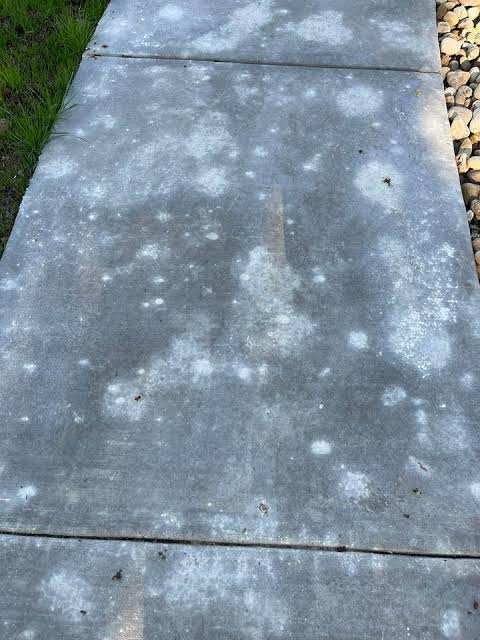
Efflorescence is a deposit of soluble salts on a porous surface. Water dissolves salts within or near masonry. As the water moves outward and evaporates, it leaves crystals behind.
These deposits often look like white powder, pale streaks, or a cloudy bloom. They can appear on brick, mortar, concrete, and concrete block. Dark materials often make the white marks easier to see.
Why Do White Deposits Develop?
Three ingredients must come together: soluble salts, water, and a path through the material. Rain exposure, damp soil, and drainage problems can supply moisture. Materials touching the masonry may supply salts.
New brickwork can also develop a temporary bloom as construction moisture dries. Therefore, the age of the surface and the pattern of staining help guide the next step.
Not Every White Stain Is Efflorescence
A photograph provides a useful starting point. Still, a white mark alone does not confirm the cause. Several conditions require different treatment.
Powdery Salt Deposits
Loose, pale crystals may suggest efflorescence. Some light deposits respond to careful dry brushing.
Hard Mineral Buildup
Thick crusts or persistent runoff trails may involve different deposits. These need closer identification.
Sealer Whitening
A cloudy coating can resemble salt staining. Cleaning the concrete may not correct the coating itself.
Construction Haze
Mortar or installation residue can leave a pale film. Removal depends on the material and the residue.
Products used to remove algae do not solve every mineral stain. Likewise, a masonry cleaner that suits one surface may damage another. Identification comes first.
Common Surfaces That Need Assessment
Brick Walls and Mortar Joints
White patches may develop on house exteriors, storefronts, or garden walls. The cleaning method must suit both the brick and mortar. Weak joints or existing cracks may need repair before cleaning.
Concrete Walkways and Patios
Concrete can show pale deposits, uneven coloring, or coating haze. An assessment separates removable deposits from changes within the concrete. This helps establish realistic expectations.
Paver Patios and Entrances
White bloom can reduce the contrast of colored pavers. Cleaning must suit the paver finish and joint material. Any later sealing decision should follow the manufacturer’s guidance.
Retaining Walls, Block, and Stone
Repeated moisture movement can leave white marks on these surfaces. Natural stone varies greatly. Limestone, marble, and other acid-sensitive materials need particular care.
How Professional Efflorescence Removal Works
A thoughtful process uses the least aggressive effective method. Product selection, pressure, and timing should follow the surface manufacturer’s guidance and the cleaner’s label.
Inspect and Identify
Review the material, deposits, coatings, and existing damage. Look for patterns that suggest ongoing moisture.
Test a Small Area
Test a discreet spot before treating a larger section. Check the dried result for color and texture changes.
Select the Treatment
Loose deposits may need only suitable dry brushing. Persistent staining may require a compatible specialty cleaner.
Clean and Review
Protect surrounding materials and follow product directions. Where rinsing is required, use appropriate pressure. Review the surface after it dries.
More pressure is not a better diagnosis. Aggressive washing can damage mortar or alter the surface. Uncontrolled acid use can also etch masonry and affect nearby finishes.
For brick, suitable weather and drying conditions matter. Repeatedly soaking a wall can introduce moisture that carries more salts outward. The removal plan should account for this risk.
Can Efflorescence Return After Cleaning?
Yes. Even successful cleaning can be followed by new deposits if water continues carrying salts to the surface. That does not automatically mean the original cleaning failed.
Check the Moisture Before Repeating Treatment
- Look for leaking gutters or downspouts near the stains.
- Notice whether irrigation repeatedly wets the surface.
- Check for ponding water and drainage toward walls.
- Have damaged joints, flashing, or persistent leaks reviewed by the appropriate repair professional.
Surface cleaning does not replace masonry repairs or waterproofing work. If the cause is uncertain, a qualified building professional can help investigate.
Will Sealing Stop the Deposits Permanently?
A coating is not a universal cure. Do not rely on coatings alone to control efflorescence. Address the moisture source and confirm that the surface is suitable before considering protection.
Efflorescence Removal in Columbus and Central Ohio
Ohio Power Washing can help you take the next step toward a cleaner exterior. Start by sending clear photos of the staining and the surrounding area. Tell us whether the surface is brick, concrete, pavers, block, or stone.
Include the surface’s age, any known sealer, and when the marks appear. For example, tell us whether they return after rain or began after a recent installation.
We can discuss whether cleaning is appropriate and what needs further assessment. The goal is a realistic plan with clear expectations before work begins.
Request Your Cleaning EstimateEfflorescence Removal Questions
Is efflorescence the same as mold?
No. Efflorescence consists of mineral salts. Mold is biological growth. Both can appear in damp areas, and appearance alone may not identify every stain.
Will pressure washing remove white stains?
It may remove some loose material, but pressure alone does not address every deposit. First identify the stain. Then select a method that suits the surface.
Can I use vinegar or muriatic acid?
Do not assume either is suitable. Acids can damage certain stone, concrete finishes, mortar, and nearby materials. Use only a compatible product with manufacturer guidance and a test area.
Does efflorescence always mean serious damage?
No. Surface bloom can be mainly cosmetic, especially on new masonry. Persistent staining alongside dampness, cracks, or deterioration deserves further investigation.
Can every white mark be removed?
No. Coating failure, etching, and permanent discoloration may need a different solution. A small test area helps establish realistic expectations.
How much does efflorescence removal cost?
Cost depends on the material, area, access, deposit type, and treatment needed. Send photos and request an assessment for a property-specific estimate.
Give Your Masonry a Cleaner Look
White deposits deserve a careful approach. Contact Ohio Power Washing to discuss your surface, your concerns, and the right next step.
Request an Efflorescence Cleaning Estimate